August 27, 2010

Too Much Sun Exposure? The Best New Ways to Repair UV Damage

We all know that too much sun exposure ages us.

But chances are, unless you spent the summer bundled under a caftan, straw hat and gloves, you more than likely got your share of UV rays – precursors to the brown spots, uneven pigmentation and premature wrinkles that are the telltale signs of sun damaged skin.

The good news? If you start treatment today, you can effectively rewind the clock on your recent skin sins.

It’s much easier to refinish a piece of furniture when it is slightly damaged, as opposed to seriously damaged. So, begin your treatment plan immediately..

There are two different types of sun exposure-induced damage — the dull skin and brown spots you see immediately following, and the wrinkles, uneven pigmentation, and skin cancers that can surface years down the road. At the cellular level, the lag time between sun exposure and damage is about two hours, but the deeper visible effects may take years to show up — like with high cholesterol and heart disease.

Dannielli Marcelino senior esthetician and laser technician recommends five steps to target both levels of sun damage. “Gently exfoliate, bleach out the browns, use antioxidants nightly, moisturize liberally and often, and use sunscreen daily, all year”.

Exfoliating will clear away the dull, clogging and matted dead cells that were killed by the sun’s rays. Look for a gentle glycolic product with about an eight percent concentration, which is touted to spur your own cells to create collagen — the structural protein that can add volume and plumpness to skin.

“Chemical exfoliants like glycolic acid give much more consistent results than physical exfoliants like scrubs or at-home devices,” advises Dannielli.

If you’re experiencing brown spots or blotches, use a topical bleaching product at bedtime to help fade away the pigmentation. Dannielli recommends products containing any one of these ingredients for best results: hydroquinone, kojic acid, Actiwhite, Achromaxyl, Whitonyl or Dermostatyl.

Antioxidants can help treat the more dangerous, longer-term effects that can lurk inside of your skin cells for years. While antioxidants come in a wide range of exotic fruits and herbal extracts, vitamin C continues to test the most effective for sun damage. But make sure you’re using a stable form of the power vitamin for potent results, which you’ll see referred to on ingredient labels as tetrahexadycyl ascorbate or methylsilanol ascorbate.

And above all, wear SPF 15 to 30 sunscreen daily and don’t forget to moisturize first.

“Remember what the sun did to your wet bathing suit? It didn’t leave your skin any wetter!” says Dannielli.

August 8, 2010

Cultivating yin energy helps to reduce stress

Filed under: Uncategorized — SuddenlySlimmer @ 10:13 am

Cultivating yin energy helps to reduce stress

Are you feeling stressed in your job? Do you find yourself getting more irritable with other people around you? Are you getting more headaches than normal, or is your sleep becoming affected so that you wake feeling hot or sweaty in the night? Do you find it hard to sit still, or to find time to relax? Do you find it hard to quieten your mind down at the end of the day?

If you are experiencing some or all of these symptoms, you may be suffering from what Chinese medicine calls a deficiency of yin energy. The concept of yin energy is used to describe that intangible reservoir of cool and calm energy that you can draw on in times of stress. We have all had times in the past when we have felt calm and relaxed and at ease with the world, so we can all identify with that feeling when yin energy is abundant.

Living in a city with a demanding job, active social life or a busy family life with all its pressures can rapidly deplete these reserves of cool and calm yin energy, leaving a person with the classic symptoms of stress mentioned above. Luckily there are quite a few ways it can be built back up if it has become depleted, so in this week’s articles we will look at a few of the best.

When considering whether a particular activity might be good to help build yin energy, the best words to keep in mind are cool and calm. In a previous article, we talked about the power of deep breathing to help induce relaxation in the body. When done on a regular basis, deep breathing is great at building yin energy.

Another great way to help build yin energy is to spend some time in surroundings that manifest yin qualities. Imagine being somewhere quiet and peaceful in one of our many beautiful Arizona mountains, stunning national parks. Imagine walking through a cool forest in autumn, by a fresh mountain lake in winter, or along a coastal path breathing in the salty sea air. Think about how great you feel at the end of a day, long weekend or a week spent somewhere like that.

August 5, 2010

Cancer Cells Use Fructose to Grow: Don’t Blame Us, Says Corn Lobby

Filed under: Health & Wellness — Tags: , , , — SuddenlySlimmer @ 11:38 am

(CBS) Afraid of fructose? You may have good reason to be, as an alarming new study shows that the popular sweetener can fuel the growth of cancer.

The study, conducted by scientists at UCLA, found that pancreatic cancer cells grew faster when “fed” with fructose. Study author Dr. Anthony Heaney, associate professor of medicine and neurosurgery at the university’s cancer center, said it was likely that fructose would also speed the growth of other cancers as well.

“The bottom line is the modern diet contains a lot of refined sugar including fructose and it’s a hidden danger implicated in a lot of modern diseases, such as obesity, diabetes and fatty liver,” Heaney said in a written statement.

The study was published in the August 1 issue of the journal “Cancer Research.”

Heaney called for government action to reduce American’s consumption of high-fructose corn syrup (HFCS), a leading source of fructose in the Western diet. Fructose also comes from sources such as fruit, vegetables and old fashioned table sugar.

“I think this paper has a lot of public health implications,” Heaney said. “Hopefully, at the federal level there will be some effort to step back on the amount of HFCS in our diets.”

But the corn lobby (high-fructose is made from corn) felt the research left a bitter taste in its mouth.

“This study does not look at the way fructose is actually consumed by humans, as it was conducted in a laboratory, not inside the human body,” the Corn Refiners Association said in a statement, concluding that the root causes of pancreatic cancer are complicated and poorly understood.

Between 1970 and 1990, consumption of high-fructose corn syrup rose 1,000 percent, according to the cancer researchers. The sweetener – a blend of fructose and another sugar called glucose – is found in all sorts of foods and beverages and is the most common sweetener used in American soft drinks.

The association said that overall, sugar is still the most common form of fructose in the American diet.

And don’t be fooled by products which replace high-fructose corn syrup with sugar. They also contain high levels of fructose.

Sugar, The Bad Side effects of Eating Sugar

What’s wrong with eating a little sugar? Well, let’s start with insulin. When you eat sugar, your blood sugar quickly rises and your pancreas immediately responds by secreting the hormone insulin. Insulin, whose job among many other things, is to quickly remove the sugar out of the blood stream by delivering it to cells where it can be used for energy. If sugar is allowed to hang out in the blood stream it does damage by attaching to red blood cells and creating sticky compounds that that clog up your system.
There are 2 major problems with this. One, most of us don’t use our muscles enough that would create a demand for the energy from the sugar so it will get stored as fat or will continue lurking in the blood stream, wreaking havoc.
The second problem is our bodies were designed to respond to natural foods that contain sugar such as fruits. When we fill our system with candy, ice cream and cake, the pancreas has to shoot out more insulin to get the job done and high amounts of insulin create a whole other set of issues.
Insulin tells the kidneys to hold on to sodium, increasing blood pressure. High insulin levels have also been linked to metabolic syndrome which is a type of prediabetes that increases the risk of heart disease.
Table sugar is not the only offender with the insulin effect on the body. Refined carbs such as mashed potatoes, white rice, white bread and pasta are quickly converted to sugar in the body since your pancreas can’t tell the difference.
Sugar in not non-nutritive but it is anti-nutritive. When sugar is found in whole foods such as apples, berries and even sugarcane it comes complete with the vitamins, minerals and enzymes needed for complete digestion. When it’s found in your sugar bowl or in chemical compounds such as high fructose corn syrup, your body has to borrow from it’s stores of nutrients in order to process it. That is one reason why sugar is considered an immune system depressor.
Sugar is addictive and just like any addiction; you may experience withdrawals when removing it from your diet. Do yourself a favor and kick the “not so sweet side effects” that occur from eating sugar.

July 24, 2010

Laser Hair Removal

Suddenly Slimmer Spa in Phoenix offers the next-generation of laser hair removal. It’s an effective and permanent hair reduction solution that is simple and easy plus we make it very affordable for everyone. It takes cutting-edge medical laser technology and combines it with the comfort and convenience of a trip to the spa. In fact, Suddenly Slimmers Pain-Free, Hair-Free Laser Hair Removal uses new breakthrough technology that has been described as one of the most comfortable laser hair removal options available. This is the first laser that virtually works on all skin colors.

How Laser Hair Removal Works

Lasers light sources gently remove unwanted hair based on the principle of selective photothermolysis. This refers to the process whereby light energy causes thermal injury to the hair follicle. This energy absorbed in the shaft causes the temperature to reach a sufficiently high level in the hair follicle so that the targeted hair structures are destroyed and regrowth is inhibited. The darker the hair, and the greater the contrast between skin and hair, the easier it is to get good results from laser hair removal. People with little contrast between skin and hair (light hair/light skin, dark hair/dark skin) cannot effectively be treated by laser and are better candidates for IPL hair removal.

Destroying the hair follicle during its active growth cycle is another key to producing long-term hair reduction. Consequently, multiple treatments scheduled several weeks or months apart are typically required to achieve optimal results.

Indications Laser hair removal treatments dramatically inhibit the growth of:
* Unwanted body hair from virtually anywhere on the body
* Unwanted hair from even the most sensitive areas on the body

Ideal for those with light skin and darker hair, (darker skinned people may be better candidates for IPL hair removal) Laser Hair Removal Advantages:
* Permanent or semi-permanent
* No to Minor side effects
* Gentle and virtually painless
* Gentle compared with other treatments
* Little or no recuperation time
* Can target any area of the body

Laser Hair Removal Efficacy and Safety:

* The Laser is a single wave length laser that operates at wavelength that is ideal for hair removal
* Lasers are the quickest and best option for people with lighter skin than their hair
* Laser hair removal is non-invasive, and non-ablative
* Non-ablative treatments do not vaporize follicles and surrounding tissue, wherease ablative laser treatments use very intense laser bursts that heat the water within the follicle and surrounding tissue and vaporize it.

History of Laser Hair Removal

Laser hair removal is not new, but it has taken a long time for the process to iron out the problems and make it efficient and safe to use. As we move into the future, the technology of laser hair removal will continue to change and improve.

The first lasers were invented in the 1960′s. They emitted a continuous wave of light rather than pulses and as a result, they were not good for removing hair and there was too much risk to the skin being damaged.

During the 1970s, lasers improved and allowed for the targeting of individual follicles with a targeted laser sending a beam of energy through a fiber-optic probe. These lasers were sent to market without any testing done and it was marketed as painless even though it was not. The FDA stepped in and removed it from market because it was difficult to use and ineffective for what it claimed.

In the 1980s, lasers were better at targeting hair, they were still too tedious to use for laser hair removal and were ineffective, which resulted in them being removed from the market.

The mid-1990s is where laser hair removal comes into its modern form. The 1995 form of the laser was the first to be cleared by the FDA for use. These lasers would use a carbon-based lotion as a chromophore. The laser would heat the carbon and release a shock wave to the follicle to destroy it. Unfortunately, that wave could also damage nearby cells in the skin.

The latest generation of laser was released in 1997 and was cleared by the FDA for use to target melanin in the hair. This laser was easy to use, had epidermal cooling in it, and greatly reduced the risk of any side effects, making it safe and effective to use. These lasers are the ones currently in use around the world by millions of people who get laser hair removal done on their bodies each year.

Q and A of Laser Hair Removal

Is it safe?
Hair removal is one of the aesthetic medical industry’s most well-known and researched uses of lasers. Pain-Free, Hair-Free’s Soprano®XL laser has provided permanent hair reduction for thousands of patients worldwide, safely and successfully since it was cleared by the FDA in 2005.

How many treatments will I need?
You’ll see a noticeable, permanent reduction in the number of hairs that regrow after each treatment. Typically, it will require 4 – 6 treatments or more to permanently reduce the number of regrowing hairs by more than 80%.

Areas for Laser Hair Removal
Laser hair removal can be used on all areas of the body including, but not limited to:
* Face
* Legs
* Underarms
* Chest
* Back
* Bikini

Will my hair ever grow back?
No. Once the hair follicle is damaged, it cannot grow new hair. However, there can be few hair follicles that manage to escape the laser during each treatment. Some of these follicles will need to be retreated.

What should I do before my laser hair removal treatment?
On the day of your laser hair removal treatment, you need to shave the area that is to be treated. Do not use waxing, sugaring or any other hair removal technique which takes the hair out at the root for about six weeks preceding your laser hair removal or while your laser treatments are ongoing. The lasers target the root of the hair, so if these are removed, the treatment will not be effective.

Care after laser hair removal
Short answer, none. You will not require recovery time and will be able to return to work or school immediately after having a treatment.

How do I know it won’t hurt?
Most people find Pain-Free, Hair-Free very comfortable. Many patients often describe the sensation as soothing as a “hot stone massage.”

What are the possible side effects after a laser treatment?
Though rare, there is a small chance of side effects occurring after a laser treatment. The most common side effects include:
* Redness in the treated area
* Itching
* Swelling
* Slight pain, tingling or numbness (if a topical anesthetic was used during the procedure)

July 20, 2010

Beauty superfoods to keep you glowing on the inside and out

Filed under: Skin Care — SuddenlySlimmer @ 3:19 pm

For Clear Skin

If you have sensitive or greasy skin, cut down on strong coffee, alcohol, chocolate, certain spices (pepper, ginger, curry powder, paprika and mustard) and fermented cheese, and try and avoid eating excessive amounts of fat and sugar.
Zinc
Zinc is an antioxidant mineral, so if you suffer from spots it’s a must because it regulates sebum production and aids cell healing. Feed your skin: Shellfish, fish, whole grains and cereals.

Probiotics
Friendly bacteria in your digestive system protect your intestinal flora and strengthen your immune system, including your skin’s immune system! Feed your skin: Fermented yoghurts and dairy produce, leavened bread and some fermented veg such as sauerkraut.

For Beautiful Lips

Beautiful teeth are important, so cigarettes and coffee that stain are a no-no, as are sweet foods which rot your teeth. Get your fill of these nutrients to make your teeth strong, white and dazzling.

Calcium
Calcium builds and strengthens teeth. Feed your teeth: Dairy produce, fruit, vegetables and some types of mineral water.

Phosphorus
Along with calcium, phosphorus forms the mineral ‘weave’ of our bones. Feed your teeth: All foods contain phosphorus, so as long as you eat a balanced diet you’ll get enough of it.

Fluorine
Fluorine is a trace element that strengthens tooth enamel. Feed your teeth: Mineral water that contains fluorine, radishes, cress, cherries and tomatoes.

For Shiny Hair

The state of your skin and hair is a pretty bang on accurate indicator of whether or not you’re getting your fill of nutrients and you’re healthy. When we’re unwell or unhealthy, our hair becomes fragile, dry and brittle, and can even fall out.

B Vitamins
These all contribute to healthy hair, especially B2, which regulates the scalp’s sebum; B5, which improves the structure and shine of the hair; and B8, which slows down hair loss and the appearance of grey hairs. Feed your hair: Whole grains and cereals, meat, fish, eggs and brewer’s yeast (live yeast).

Zinc
Zinc aids hair growth. Zinc deficiency hinders the formation of keratin, causing your hair follicles to atrophy. Feed your hair: Shellfish, fish, whole grains and cereals.

For Perfect Nails

Like our hair, our nails reflect the state of our health. If your nails break easily, are weak or have white marks on them, they’re trying to tell you something: you have nutritional deficiencies! Keep an eye on your nails and adjust your diet accordingly if you’re missing out on these nutrients:

Calcium
Calcium strengthens nails and makes them grow. Feed your nails: Dairy produce, fruit and vegetables and some types of mineral water.

Iron
Iron is a fortifying trace element that enriches red blood cells and increases oxygenisation of tissue, especially in nails that break easily. Feed your nails: Red meat, shellfish and pulses.

Sulphur
Sulphur is a misunderstood mineral that’s vital for strong nails (it strengthens the nail structure). Feed your nails: Seafood, asparagus, onion, garlic and cabbage.

A Day’s Beauty Food

Fancy a day of beauty food to get you into good habits? Here’s a menu to try!

Breakfast
A hot drink
A glass of fresh fruit juice or a piece of fresh fruit
A fermented milk yoghurt or soya yoghurt
2 slices of wholemeal bread with Omega-3 rich butter (butter made with vegetable oil is better than animal fat butter)

Snack
A piece of fresh fruit

Lunch
A plate of raw veg or mixed salad (containing shallots, chives, parsley and other herbs with lemon juice and a drizzle of rapeseed oil)
Around 150g oily fish
Steamed vegetables and whole grains/cereals with a drizzle of olive oil
A piece of fresh fruit

Snack
Green tea (left to infuse for less than 2min)
A yoghurt or a piece of fresh fruit

Dinner
Mixed vegetable soup
100-150g steamed fish and steamed vegetables
A yoghurt or fresh fruit salad

June 20, 2010

Top 10 Signs That You May Have a Thyroid Problem

It’s estimated that 59 million Americans have a thyroid problem, but the majority don’t even know it yet. The thyroid, a butterfly-shaped gland located in the neck, is the master gland of metabolism. When your thyroid doesn’t function, it can affect every aspect of your health, and in particular, weight, depression and energy levels.

Since undiagnosed thyroid problems can dramatically increase your risk of obesity, heart disease, depression, anxiety, hair loss, sexual dysfunction, infertility and a host of other symptoms and health problems, it’s important that you don’t go undiagnosed.

You don’t need to have all of these symptoms in order to have a thyroid problem, but here are some of the most common signs that you may have a thyroid condition:

10. Muscle and Joint Pains, Carpal Tunnel/Tendonitis Problems.

Aches and pains in your muscles and joints, weakness in the arms and a tendency to develop carpal tunnel in the arms/hands and tarsal tunnel in the legs, can all be symptoms of undiagnosed thyroid problems.

9. Neck Discomfort/Enlargement.

A feeling of swelling in the neck, discomfort with turtlenecks or neckties, a hoarse voice or a visibly enlarged thyroid can all be symptoms of thyroid disease.

To help find out if your thyroid may be enlarged, try a simple “Thyroid Neck Check” test at home.

8. Hair/Skin Changes.

Hair and skin are particularly vulnerable to thyroid conditions, and in particular, hair loss is frequently associated with thyroid problems. With hypothyroidism, hair frequently becomes brittle, coarse and dry, while breaking off and falling out easily. Skin can become coarse, thick, dry,and scaly. In hypothyroidism, there is often an unusual loss of hair in the outer edge of the eyebrow. With hyperthyroidism, severe hair loss can also occur, and skin can become fragile and thin.

7. Bowel Problems.

Severe or long-term constipation is frequently associated with hypothyroidism, while diarrhea or irritable bowel syndrome (IBS) is associated with hyperthyroidism.

6. Menstrual Irregularities and Fertility Problems.

Heavier, more frequent and more painful periods are frequently associated with hypothyroidism, and shorter, lighter or infrequent menstruation can be associated with hyperthyroidism. Infertility can also be associated with undiagnosed thyroid conditions.

It’s estimated that 59 million Americans have a thyroid problem, but the majority don’t even know it yet. The thyroid, a butterfly-shaped gland located in the neck, is the master gland of metabolism. When your thyroid doesn’t function, it can affect every aspect of your health, and in particular, weight, depression and energy levels.

Since undiagnosed thyroid problems can dramatically increase your risk of obesity, heart disease, depression, anxiety, hair loss, sexual dysfunction, infertility and a host of other symptoms and health problems, it’s important that you don’t go undiagnosed.

You don’t need to have all of these symptoms in order to have a thyroid problem, but here are some of the most common signs that you may have a thyroid condition:

10. Muscle and Joint Pains, Carpal Tunnel/Tendonitis Problems.

Aches and pains in your muscles and joints, weakness in the arms and a tendency to develop carpal tunnel in the arms/hands and tarsal tunnel in the legs, can all be symptoms of undiagnosed thyroid problems. (For more information)

9. Neck Discomfort/Enlargement.

A feeling of swelling in the neck, discomfort with turtlenecks or neckties, a hoarse voice or a visibly enlarged thyroid can all be symptoms of thyroid disease.

To help find out if your thyroid may be enlarged, try a simple “Thyroid Neck Check” test at home.

8. Hair/Skin Changes.

Hair and skin are particularly vulnerable to thyroid conditions, and in particular, hair loss is frequently associated with thyroid problems. With hypothyroidism, hair frequently becomes brittle, coarse and dry, while breaking off and falling out easily. Skin can become coarse, thick, dry,and scaly. In hypothyroidism, there is often an unusual loss of hair in the outer edge of the eyebrow. With hyperthyroidism, severe hair loss can also occur, and skin can become fragile and thin.

7. Bowel Problems.

Severe or long-term constipation is frequently associated with hypothyroidism, while diarrhea or irritable bowel syndrome (IBS) is associated with hyperthyroidism.

6. Menstrual Irregularities and Fertility Problems.

Heavier, more frequent and more painful periods are frequently associated with hypothyroidism, and shorter, lighter or infrequent menstruation can be associated with hyperthyroidism. Infertility can also be associated with undiagnosed thyroid conditions.

5. Family History.

If you have a family history of thyroid problems, you are at a higher risk of having a thyroid condition yourself. You may not always be aware of thyroid problems in your family, though, because among older people, it is often referred to as “gland trouble” or “goiter.” So pay attention to any discussions of glandular conditions or goiter or weight gain due to “a glandular problem,” as these may be indirect ways of referring to thyroid conditions.

4. Cholesterol Issues

High cholesterol, especially when it is not responsive to diet, exercise or cholesterol-lowering medication, can be a sign of undiagnosed hypothyroidism. Unusually low cholesterol levels may be a sign of hyperthyroidism.

3. Depression and Anxiety.

Depression or anxiety — including sudden onset of panic disorder — can be symptoms of thyroid disease. Hypothyroidism is most typically associated with depression, while hyperthyroidism is more commonly associated with anxiety or panic attacks. Depression that does not respond to antidepressants may also be a sign of an undiagnosed thyroid disorder.

2. Weight Changes.

You may be on a low-fat, low-calorie diet with a rigorous exercise program, but are failing to lose or gain any weight. Or you may have joined a diet program or support group, such as Weight Watchers, and you are the only one who isn’t losing any weight. Difficulty losing weight can be a sign of hypothyroidism. You may be losing weight while eating the same amount of food as usual — or even losing while eating more than normal. Unexplained weight changes and issues can be signs of both hypothyroidism or hyperthyroidism.

1. Fatigue.

Feeling exhausted when you wake up, feeling as if 8 or 10 hours of sleep a night is insufficient or being unable to function all day without a nap can all be signs of thyroid problems. (With hyperthyroidism, you may also have nighttime insomnia that leaves you exhausted during the day.)

Diagnosing thyroid disease is a process that can incorporate numerous factors, including clinical evaluation, blood tests, imaging tests, biopsies, and other tests.

CLINICAL EVALUATION
A critical part of detecting and diagnosing thyroid disease is the clinical evaluation conducted by a trained practitioner. As part of a thorough clinical evaluation, your practitioner typically should do the following:

* Feel (also known as “palpating”) your neck.
* Listen to your thyroid using a stethoscope.
* Test your reflexes.
* Check your heart rate, rhythm and blood pressure.
* Measure your weight.
* Measure body temperature.
* Examine your face.
* Examine your eyes.
* Observe the general quantity and quality of your hair.
* Examine your skin.
* Examine your nails and hands.
* Review other clinical signs

Find out more about the specifics of the clinical evaluation for thyroid disease in this article.
THYROID BLOOD TESTS
The blood tests that may be done as part of a thyroid diagnosis include the following:

* Thyroid Stimulating Hormone (TSH) Test
* Total T4/ Total Thyroxine
* Free T4 / Free Thyroxine
* Total T3 / Total Triiodothyronine
* Free T3 / Free Triiodothyronine
* Thyroglobulin/Thyroid Binding Globulin/TBG
* T3 Resin Uptake (T3RU)
* Reverse T3
* Thyroid Peroxidase Antibodies (TPOAb) / Antithyroid Peroxidase Antibodies
* Antithyroid Microsomal Antibodies / Antimicrosomal Antibodies
* Thyroglobulin Antibodies / Antithyroglobulin Antibodies
* Thyroid Receptor Antibodies (TRAb)
* Thyroid-Stimulating Immunoglobulins (TSI)

Find out more about these blood tests for thyroid disease in this article.
THYROID IMAGING TESTS
A number of imaging tests are performed for diagnosis of various thyroid conditions. These tests include:

* Nuclear Scan / Radioactive Iodine Uptake (RAI-U) – which can tell whether a person has Graves’ disease, toxic multinodular goiter, or thyroiditis.
* CT Scan – to help detect and diagnose a goiter, or larger thyroid nodules.
* MRI / Magnetic Resonance Imaging – to evaluate the size and shape of the thyroid
* Thyroid Ultrasound – to evaluate nodules, lumps and enlargement of your gland. Ultrasound can tell whether a nodule is a fluid-filled cyst, or a mass of solid tissue.

Find out more about these imaging tests for thyroid disease in this article.
THYROID BIOPSY/ASPIRATION
A needle biopsy, also known as fine needle aspiration (FNA) is used to help evaluate lumps or cold nodules. In a needle biopsy, a thin needle is inserted directly into the lump, some cells are withdrawn and they are evaluated for cancer. (Some practitioners use ultrasound while conducting a biopsy in order to ensure that the needle goes into the right position.) Cancer can be definitively diagnosed about 75 percent of the time from FNA. Evaluation of biopsy results can also show cells indicative of Hashimoto’s thyroiditis.

Find out more about fine needle aspiration (FNA) biopsy of the thyroid in this Q&A article.

OTHER DIAGNOSTIC TESTS AND PROCEDURES
Practitioners sometimes use other diagnostic tests and procedures to identify thyroid dysfunction. The use of these tests is considered controversial to mainstream practitioners, but many of these tests are well-accepted and in use among alternative, integrative and holistic physicians. These tests include:

* Iodine Patch Tests
* Saliva Testing
* Urinary Testing
* Basal Body Temperature Testing

Find out more about unconventional diagnostic tests in this article.

THYROID SELF-TESTS / ORDERING YOUR OWN TESTS
Some patients need to be highly involved in their thyroid diagnosis and care, which is where self-tests and the ability to order your own tests can be a critical tool for an empowered patient. Among the options for patients include:

* The Thyroid Neck Check – A check you can perform yourself.
* MyMedLab.com Blood Tests, including Anti-Thyroid Antibodies (Thyroglobulin Antibodies and Thyroid Peroxidase Antibodies), Free T4, Free T3, Reverse T3, and more
* ZRT Laboratory’s Saliva and Bloodspot Testing, including TSH, Free T4, Free T3, and Thyroid Peroxidase (TPO) Antibody.
* Diagnostechs Saliva Testing, including TSH, Free T4, Free T3, and antimicrosomal antibodies.

Find out more about self-tests, and how to order your own thyroid tests in this article.

BEING INFORMED AND EMPOWERED
Being informed and knowledgeable about thyroid disease signs, symptoms and risks can be an important part of getting properly diagnosed.

Interactive thyroid quizzes are important tools to help you identify risks and symptoms in particular areas.

Other tools that can be helpful in preparing for a visit with your physician, or during the actual examination, are checklists of risks and symptoms.

DIAGNOSING THYROID CONDITIONS
Diagnosis of various thyroid disease and conditions involves clinical examination, blood tests, and in some cases, imaging tests and/or biopsy. There are different tests and procedures used to diagnose the following thyroid problems:

* Hypothyroidism
* Hashimoto’s Disease
* Hyperthyroidism
* Graves’ Disease
* Goiter
* Nodules
* Thyroid Cancer

Find out about specific diagnostic tests and steps in this article.

Johnjay from KISS FM Morning Show “Johnjay & Rich” Getting a Slimming Body Wrap

Filed under: Body Wrap — Tags: , — Jeanie @ 11:25 am

Johnjay from KISS FM “Johnjay & Rich” had a Slimming Body Wrap with us today and lost 17.2 inches. Congratulations Johnjay!

June 19, 2010

Prepare to Bare Your Upper Arms

Filed under: Body Treatments — Tags: — SuddenlySlimmer @ 10:47 am

Strappy summer tops mean you can’t hide your arms any longer. Time for drastic action!

Are you constantly carrying a cardigan or a wrap, even though it’s 100 degrees out? We know the feeling. You may have the right to bare arms, but you can’t stand the sight of yours.

We have come up with a slew of beauty treatments to help quell a host of upper-arm woes.

If it’s crepey, sun-damaged skin that’s bothering you, try new Restylane Vital for skin-plumping and retexturizing. You’ll need multiple, tiny injections of the hyaluronic-acid-based gel beneath the surface of the skin, which takes 30-60 minutes and doesn’t hurt.  You will need to  repeat this process three times over a six-week period to see results.

For a more effective skin-tightening treatment, Harmony XL Skin Tightening Laser From Alma Lasers may be the way to go, this new version, stands for ‘comfort pulse technology’:  feels like you are receiving a hot stone massage, you see better results with no pain discomfort like you receive with older skin tightening technology like Thermage,  velashape.

June 13, 2010

Pixel Perfect Laser Resurfacing Dramatically Revitalize Your Skin

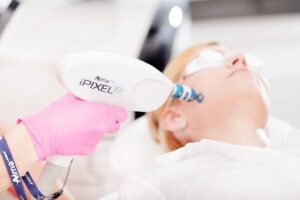
Special, Mon & Tues June 14th & 15th 2010. Pixel Perfect Laser Resurfacing Dramatically Revitalize Your Skin. Fraxel Laser: Face Reg.$750. Sepcial $500/Buy 3-pack $1200 and get 10 units of Dysport for FREE! Pixel Laser Procedure is done by a physician, space is limited call now 602-952-8446. Lift away years with fractional laser therapy, Now there’s a brand Pixel Perfect™ Laser new way to reverse the signs of aging and ensure your inner radiance shines through. It’s called Pixel Perfect™ Laser, and it can dramatical revitalize your skin. This innovative aesthetic laser treatment helps counteract years of sun damage or acne scarring. It provides noticeable results, often in as little as a single treatment. You’ll see dramatic improvement in the tone and texture of your skin. Many patients choose Pixel Perfect because it:

  • Clears sun-damaged skin
  • Smoothes fine lines and wrinkles
  • Shrinks the appearance of pores
  • Fills in acne scars
  • Blends uneven pigmentation

Pixel™ resurfacing is safe and comfortable
Pixel Perfect treatments are safe and effective, without injections or surgery. You can expect your skin to be flushed and red after the treatment-something similar to a sunburn. Your doctor may also prescribe an over-the-counter pain medicine to make you more comfortable. These symptoms are a normal part of the healing process and should improve quickly.

How Does Pixel Perfect Work?

Pixel Perfect works by creating thousands of microscopic perforations, but the skin around each of these perforations remains intact. This allows your skin’s top layer to heal from the edge of these tiny holes very rapidly, which significantly improves your complexion.

In more detail, the Pixel® laser light passes through patented optics to penetrate the skin with tiny thermal channels, only as deep as a few sheets of paper. In each channel it creates a micro-injury, without disturbing the surrounding tissue.

These micro-injury sites (about 15-20 percent of the treatment area) start the process of healing. As collagen remodels, skin tightens and scars improve. The intact, undamaged skin around the treatment site is what promotes quicker healing for a faster recovery.

Great Results, Faster Healing

The Pixel® technology in Pixel Perfect™ represents an evolved solution for skin rejuvenation, compared to earlier laser skin resurfacing techniques that involved more traumatic side effects.

Pixel Perfect™ Treatment FAQ’s

Your face is an important part of who you are. Learn more about Pixel skin resurfacing, and what happens with Pixel Perfect™ treatments, here.

Am I a good Pixel Perfect candidate?

Anyone whose skin shows signs of aging is a candidate for Pixel Perfect. The most dramatic results are seen on people who have tried non-invasive therapies and are looking for something more aggressive. The best candidates have moderate sun damage, are in good health, have good health habits and typically take good care of their skin.

Does Pixel Perfect work on all skin types?

Yes, Pixel Perfect can be performed on all skin types; however, it is a good idea to consult with your physician, as some skin conditions can interfere with proper treatment.

How long will it take?

Pixel skin rejuvenation treatments usually take less than 30 minutes, but could be longer if your condition is more advanced. Your exact treatment regimen will depend on your individual condition.

Is it safe?

Pixel Perfect treatments are safe and effective, without injections or surgery. You can expect your skin to be flushed and red after the treatment, but this is completely normal and short-lived. As long as you carefully follow your post-treatment instructions, this will be the limit of the difficulties you might experience.

Will it hurt?

How much the procedure hurts varies from person to person. In general, the procedure can feel similar to a sunburn. Your doctor may prescribe an over-the-counter pain medicine to make you more comfortable. The sunburn sensation is likely to continue after the treatment. These symptoms are a normal part of the healing process and should improve quickly.

What if I need a touch-up, later?

While Pixel Perfect reverses the appearance of aging, we can’t stop the aging process. Depending on your starting point and your lifestyle following treatment, your new look can last several months or longer.

For most patients, a touch-up treatment after 6–12 months (usually using a different light-based skin rejuvenation technology) helps maintain a healthy glow.

How much does it cost?

Pixel Laser: Face Reg.$750. Sepcial $500/Buy 3-pack $1200 and get 10 units of Dysport for FREE!
Pixel Laser: Neck $400/3-Pack for $1000
Pixel Laser: Face/Neck $600/3-Pack pack $1500
Pixel Laser: Face/Neck/Chest $1000 3-Pack $2400
Pixel Laser: Scars on Cheeks $400 3-Pack $1000
Pixel Laser: Chest $1000
3-Pack $2000�
Pixel Laser: Full Arms $2000/3-Pack $5000
Pixel Laser: Lower Arms $1000/ 3-Pack $2000�
Pixel Laser: Abdomen Stretch Marks $1000/3-Pack $2000�
Pixel Laser: Hip Stretch Marks $1000/ 3-Pack $2000
Diminish wrinkles around eye area 5-Pack treatments for $300
Diminish wrinkles above lip and eye 5-Pack treatments for $500

Suddenly Slimmer Spa “Best Spa For Pixel Perfect™ Laser in Phoenix |Scottsdale Arizona!”

Terms used for different Laser Procedures: laser clinic, dermatology laser, ipl laser, co2 laser skin resurfacing, fractional resurfacing, laser resurfacing scar, laser resurfacing wrinkles, laser tattoo removal, cost of laser resurfacing, cost laser resurfacing, laser resurfacing co2, pixel laser resurfacing, laser scar resurfacing, laser acne resurfacing, laser skin resurfacing treatment, laser skin resurfacing, acne resurfacing laser, cost of laser skin resurfacing, laser treatment for acne, laser acne scar removal, acne scar laser treatment, laser skin treatments, laser skin treatment, laser facial treatment, laser scar removal, facial resurfacing, laser treatments, laser face, laser treatment, laser skin resurfacing cost, cosmetic laser, laser skin rejuvenation, laser clinics, laser face lift, laser surgery, co2 laser, ipl treatments, laser plastic surgery, scar treatment, acne scar treatment, fotofacial, scar removal, photofacial, erbium laser, acne scarring, skin rejuvenation, dermabrasion, laser resurfacing stretch marks, laser resurfacing before after, acne scar, skin treatments, laser resurfacing of skin, acne scars, laser resurfacing acne scar,
laser co2 resurfacing, mole removal, age spots, laser resurface, spider vein removal, skin treatment, laser resurfacing before and after, laser treatment for acne scars, laser liposuction, laser treatment for skin, cosmetic laser treatment, laser scar treatment, laser facial treatments, acne laser treatment, laser treatment acne scars, laser skin surgery, facial laser surgery,
laser facial rejuvenation, laser peels, stretch mark removal laser, laser scar, laser age spots, laser wrinkles, laser treatment for spider veins

Older Posts »